
Shop for Theater Tickets
TIXpick.com - Pick Your TIX!
100% Moneyback Guarantee
Secure Checkout
100% Authentic Tickets
View Your Seats
TIXpick.com — Harnessing the power of

Find Tickets to Performances at Regional Theaters & Playhouses
Featured Theater Tickets
Alphabetized playhouses and city theater tickets
Atlanta Theater Tickets
Buy Tickets
Berkeley Repertory Theater
Buy Tickets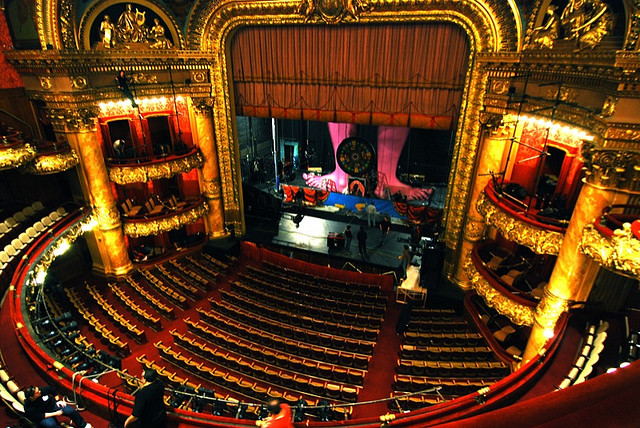
Boston Theater Tickets
Buy Tickets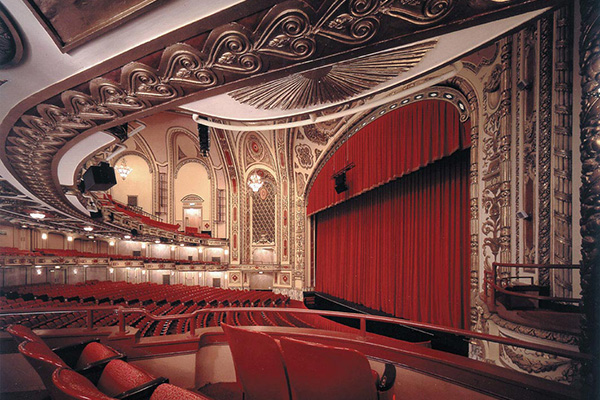
Chicago Theater Tickets
Buy Tickets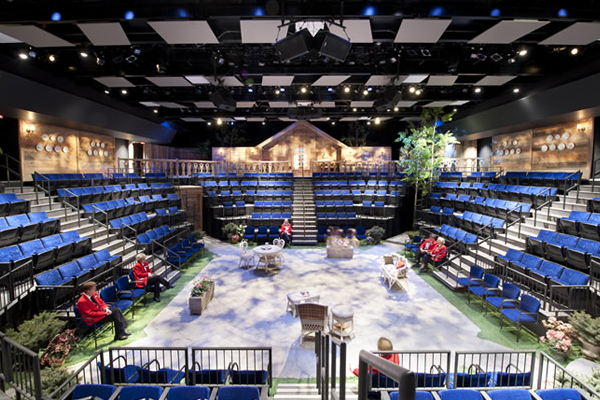
Cleveland Playhouse
Buy Tickets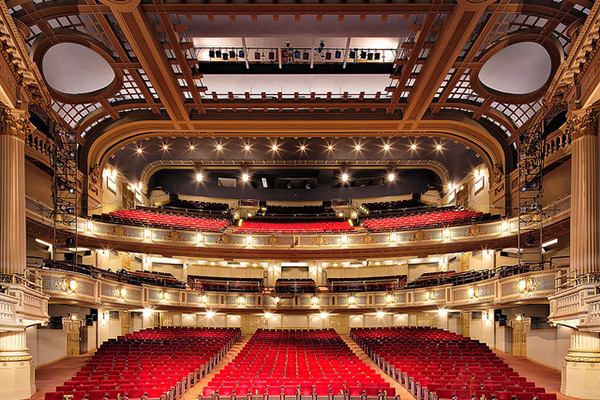
Dallas Theater Tickets
Buy Tickets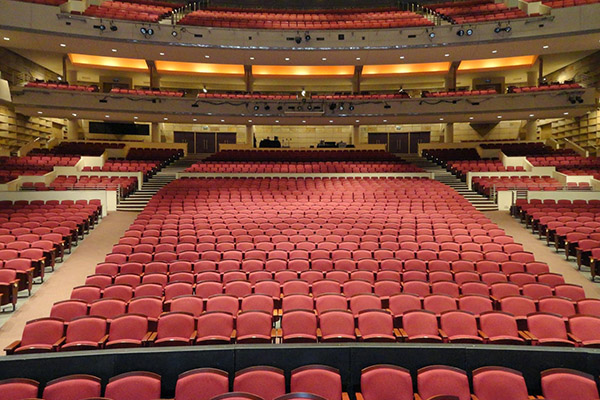
Denver Theater Tickets
Buy Tickets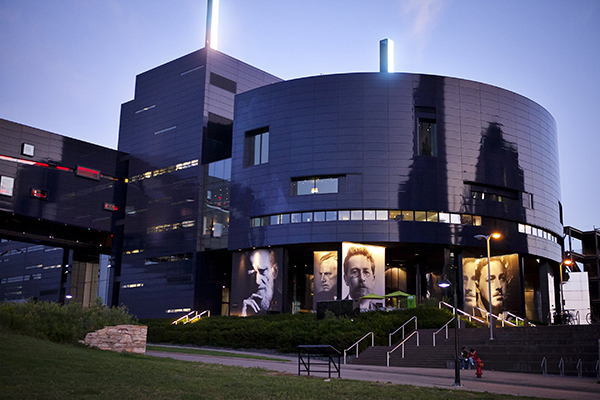
Gutherie Theater
Buy TicketsMore Featured Theater Tickets
Alphabetized city theater ticket pages
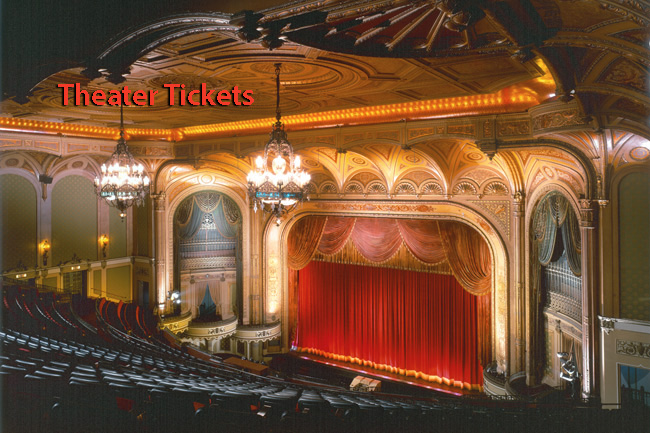
Los Angeles Theater Tickets
Buy Tickets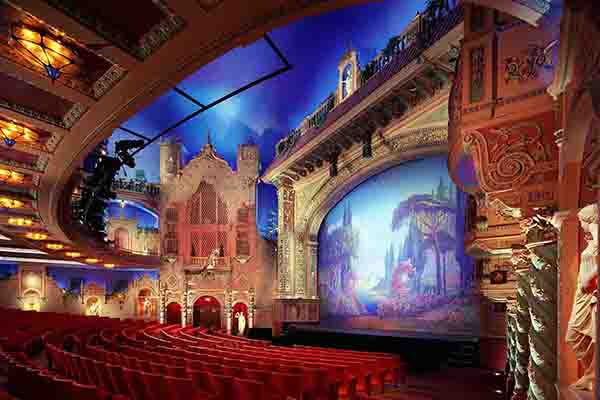
Miami Theater Tickets
Buy Tickets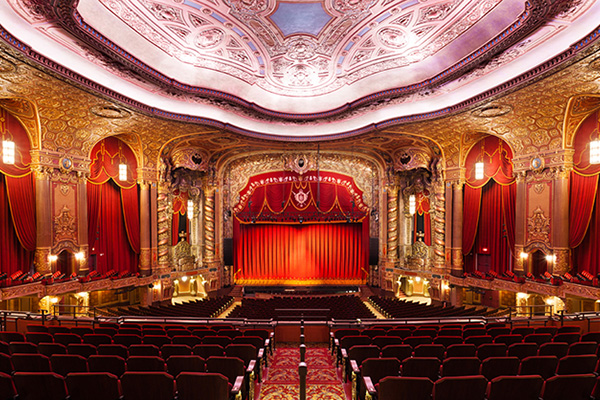
New York Theater Tickets
Buy Tickets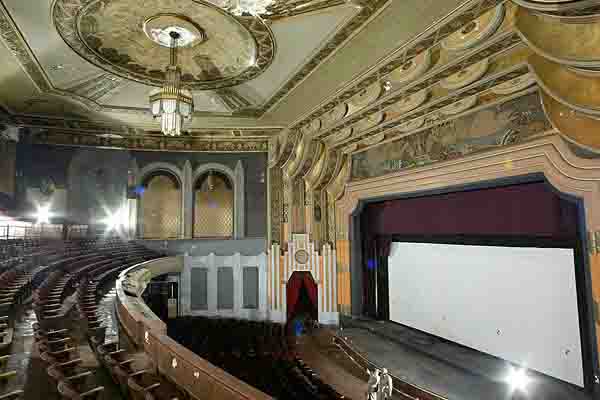
Philadelphia Theater Tickets
Buy Tickets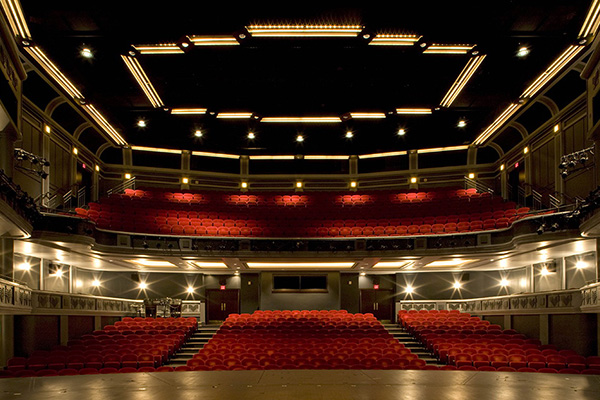
Phoenix Theater Tickets
Buy Tickets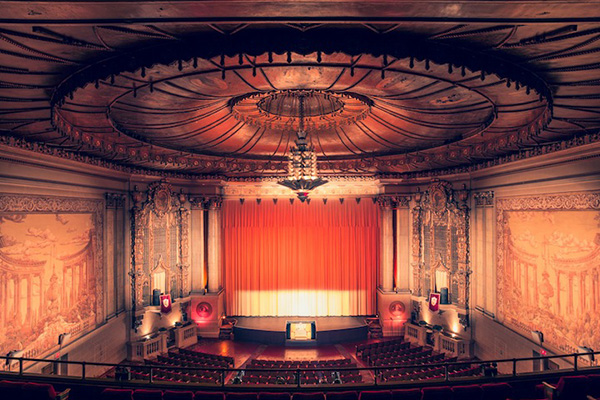
San Francisco Theater Tickets
Buy Tickets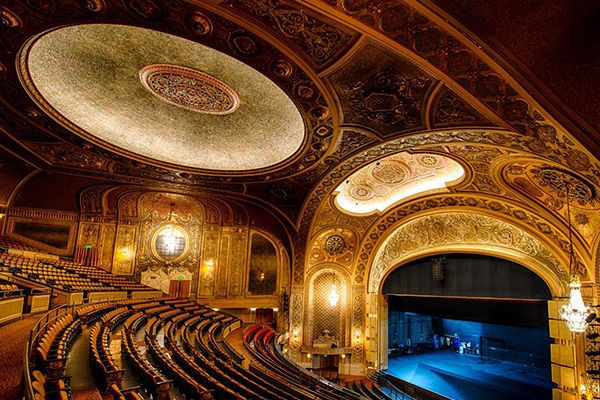
Seattle Theater Tickets
Buy Tickets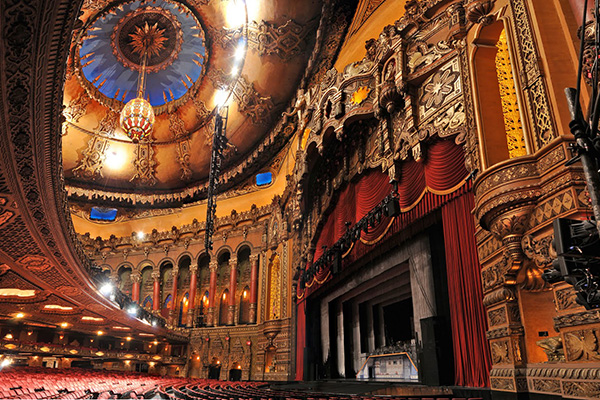
St Louis Theater Tickets
Buy Tickets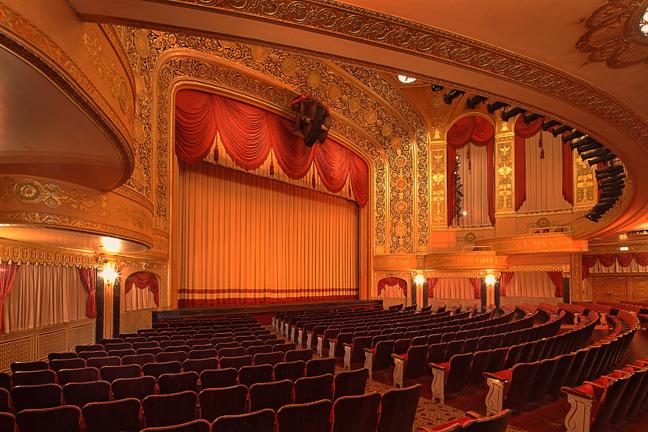
Washington Theater Tickets
Buy TicketsFind Available Tickets to Theater Productions & Plays
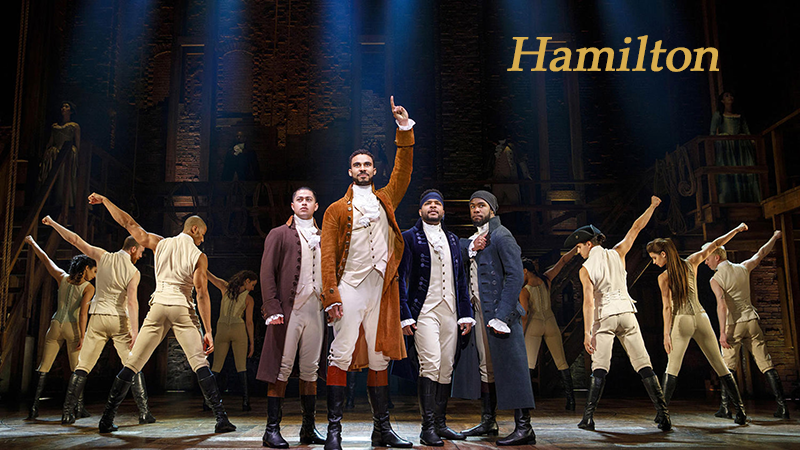
What is the definition of a Theater?
A theater is a building whose main purpose is to present theatrical performances of various genres to an audience, large or small, depending on the size of the venue. Some theaters are specialized and there are various configurations and styles of design that facilitate certain forms of theatrical expression.
The various terms associated with the design of a theater and its constituent parts may include the following: In many theaters, the wall that contains the arch-like opening that frames the stage and separates it from the audience seating area is called the “Proscenium.” The term for the audience seating area is “Auditorium” or simply “House.”
The stage floor between the front edge of the stage and front curtain at the Proscenium is called the “Apron.” The area of the stage itself closest to the audience is referred to as being “Downstage,” while the area toward the back of a stage farthest from the audience is called “Upstage.” Any part of the stage visible to the audience is referred to as “Onstage,” whereas any part of the stage, for example, behind the scenery, not visible to the audience is called “Backstage.”
For actor’s facing the audience, the left side of the stage is referred to as “Stage Left,” whereas the right side of the stage is called “Stage Right.” The term “Wings” refers to offstage areas to the right and left of the acting area. The area above the stage where scenery, drops, and lights are hung when not in use is known as the “Fly Space.”
A theater also has a “Foyer” or the front area of the theater where the audience enters. The Foyer normally contains the “Box Office,” Restrooms” originally referred to as "Vomitoriums," and the “Concession stand.” Last, but not least, in addition to various "Dressing Rooms," an important room exists strictly for the actors which is referred to as the “Greenroom” where they can relax before and after performances.