O at Bellagio
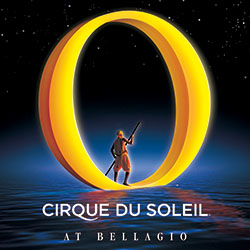
Experience breathtaking aquatic acrobatics, dramatic performances and incredible staging in this spectacular Cirque du Soleil production.
Buy O Tickets
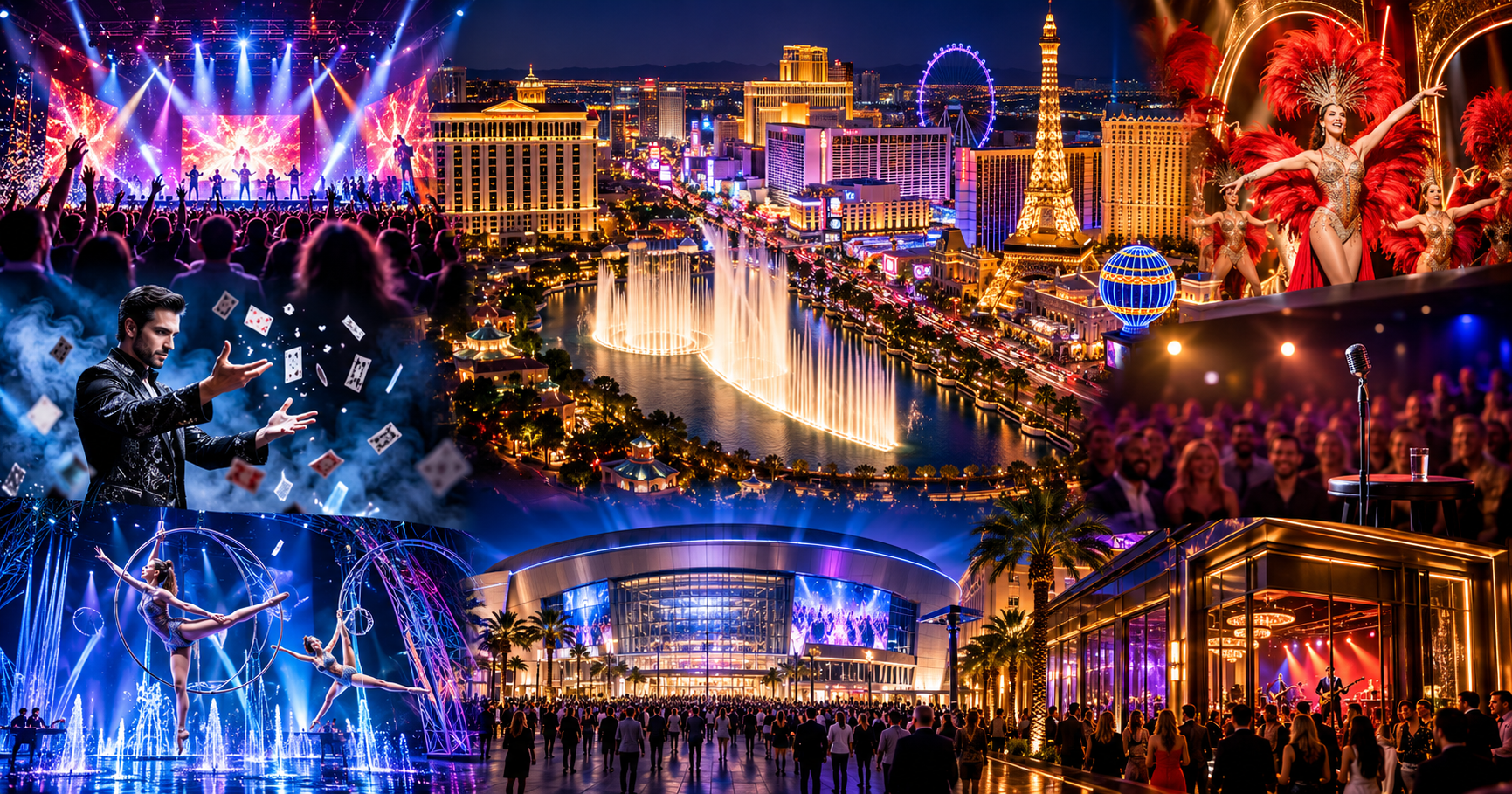
Explore tickets to Las Vegas concerts, spectacular productions, Cirque du Soleil, magic shows, comedy, musical tributes, sports and live entertainment. Discover available resale tickets and last-minute seating options for popular Las Vegas events.
Affiliate Disclosure: TIXpick.com is an independent ticket discovery website. Our search service connects visitors with TicketNetwork's secondary ticket marketplace to explore live events, available seats, competitive ticket prices, and purchasing options. For qualifying purchases, TIXpick.com may earn a commission at no additional cost to you.
Discover spectacular Las Vegas productions, breathtaking acrobatics, music and live entertainment.
Experience breathtaking aquatic acrobatics, dramatic performances and incredible staging in this spectacular Cirque du Soleil production.
Buy O Tickets
A classic Cirque du Soleil spectacular combining astonishing acrobatics, colorful costumes, whimsical comedy and vibrant music.
Buy Mystère Tickets
An epic theatrical adventure featuring spectacular martial arts, aerial acrobatics and extraordinary rotating stage technology.
Buy KÀ Tickets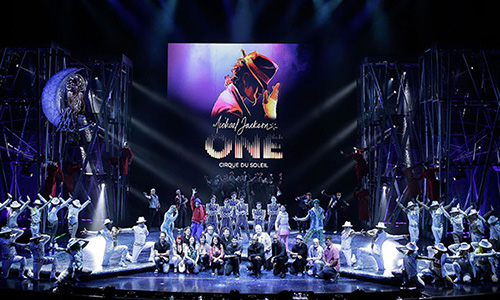
Celebrate the King of Pop through legendary music, electrifying choreography, spectacular acrobatics and immersive visual effects.
Buy M.J. ONE Tickets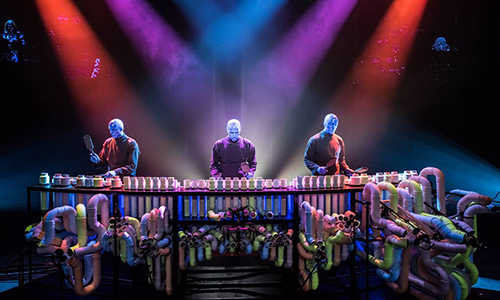
An unforgettable combination of percussion, comedy, colorful visual effects and playful audience interaction in a unique Vegas show.
Buy Blue Man Group Tickets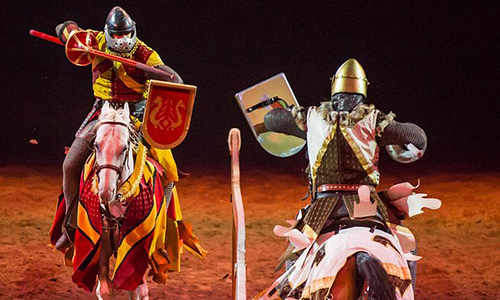
Cheer for medieval knights in a thrilling dinner spectacular filled with jousting, sword fighting, magnificent horses and action.
Buy T.O. Kings Tickets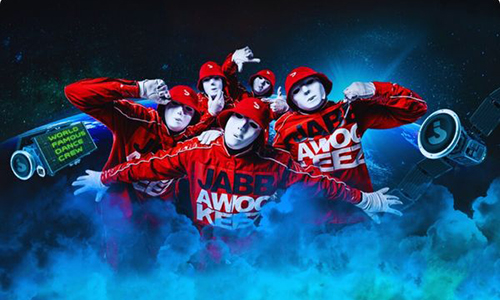
Experience precision dance, innovative choreography, music and visual storytelling from the world-famous masked dance crew.
Buy Jabbawockeez TicketsExplore legendary magicians, incredible illusions, sleight of hand and comedy magic performances.
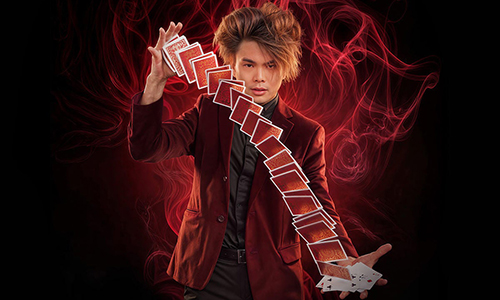
Witness astonishing card magic, mesmerizing sleight of hand and theatrical illusions from a world-renowned magician.
Buy Shin Lim Tickets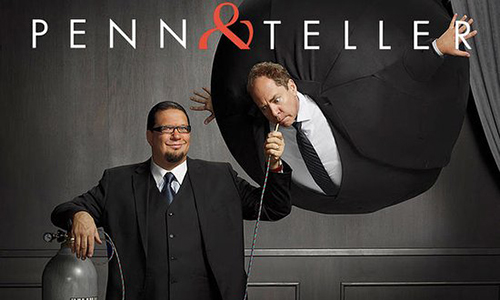
The legendary magic duo combines mind-bending illusions, clever comedy and their unmistakable irreverent style.
Buy Penn & Teller Tickets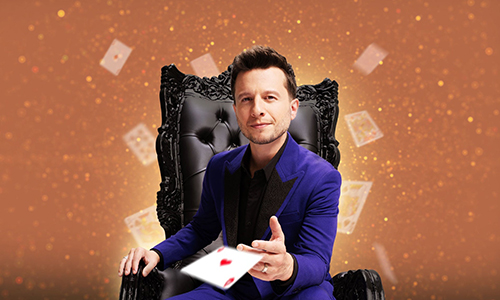
Magic Reinvented Nightly blends remarkable close-up illusions, engaging storytelling and surprising audience participation.
Buy Mat Franco Tickets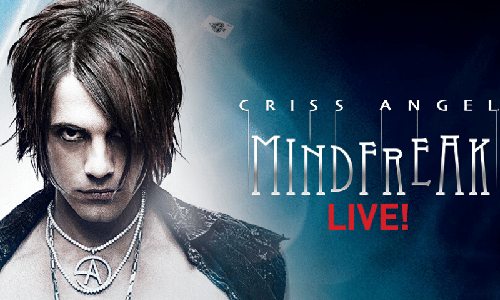
Experience jaw-dropping illusions, daring demonstrations and dramatic theatrical effects from Criss Angel.
Buy Criss Angel Tickets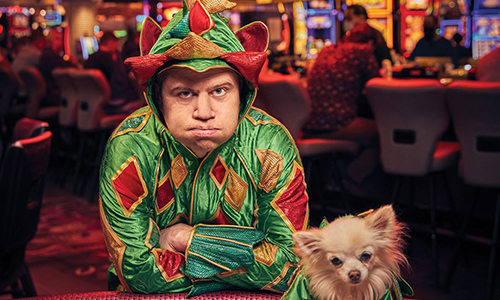
A hilarious blend of dry British humor, surprising magic tricks and memorable appearances by Mr. Piffles.
Buy Piff Tickets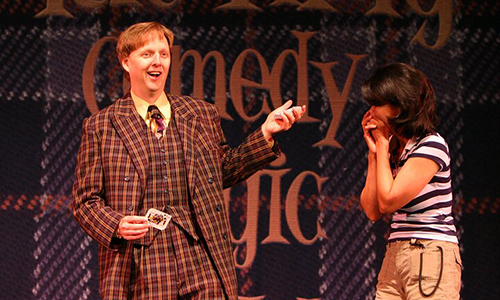
An entertaining afternoon of clever illusions, audience participation and family-friendly comedy magic.
Buy Mac King TicketsLaugh along with headline comedians, hilarious variety acts and unforgettable comedy shows.
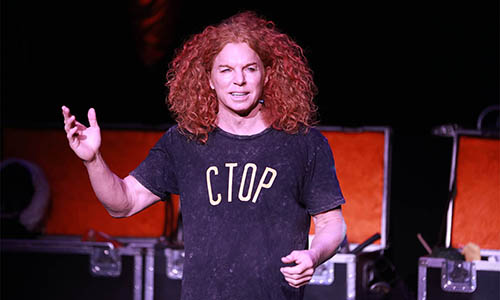
The celebrated comedian delivers outrageous props, inventive humor and energetic stand-up entertainment.
Buy Carrot Top Tickets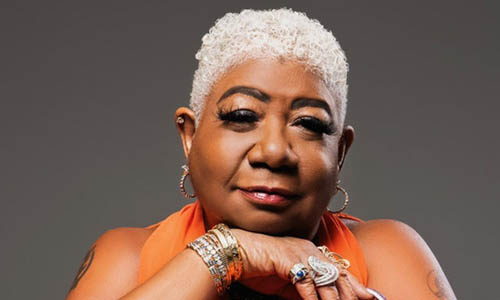
Bold, fearless comedy and an unmistakable personality make Luenell an entertaining choice for a lively Vegas night out.
Buy Luenell Tickets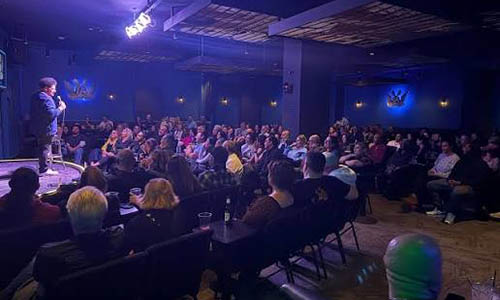
Catch established comedians and rising stand-up performers delivering fresh jokes and late-night laughs.
Buy LA Comedy Club Tickets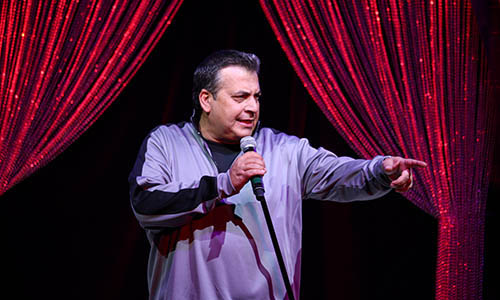
Unfiltered, adults-only comedy featuring sharp improvisation, audience interaction and outrageous observational humor.
Buy Vinnie Favorito Tickets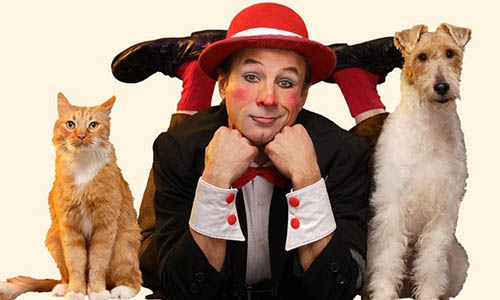
An amusing family show combining talented animal performers, physical comedy, juggling and circus entertainment.
Buy Popovich Tickets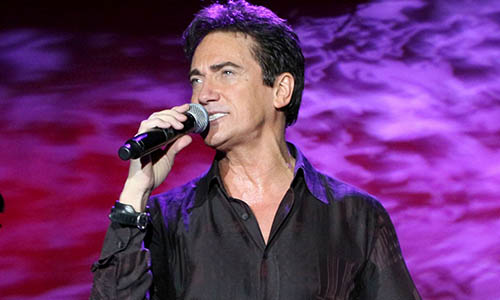
A talented entertainer blending hilarious celebrity impersonations, musical impressions and stand-up comedy.
Buy Gordie Brown TicketsCelebrate legendary performers, timeless hits and unforgettable musical entertainment.
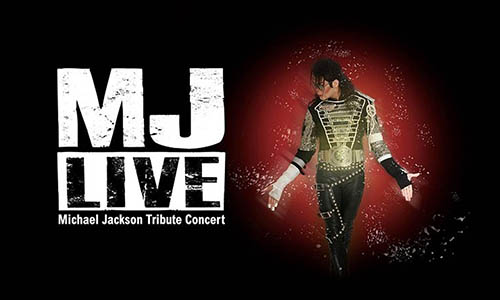
A high-energy Michael Jackson tribute featuring iconic hits, signature dance moves and spectacular musical performances.
Buy MJ Live Tickets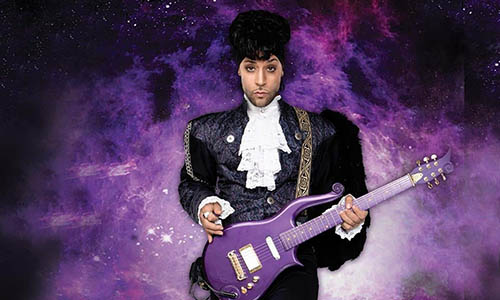
Celebrate the music of Prince with electrifying tribute performances, memorable songs and energetic stagecraft.
Buy Purple Reign Tickets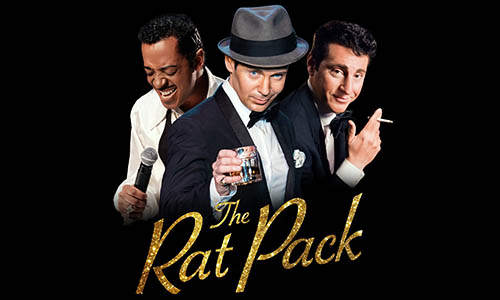
Relive classic Vegas entertainment with musical tributes to Frank Sinatra, Dean Martin and Sammy Davis Jr.
Buy Rat Pack Tickets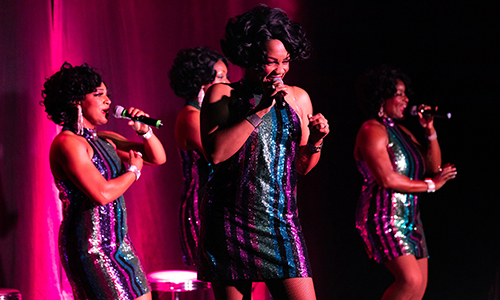
A soulful celebration of classic Motown favorites featuring beloved melodies, rich harmonies and lively vocals.
Buy All Motown Tickets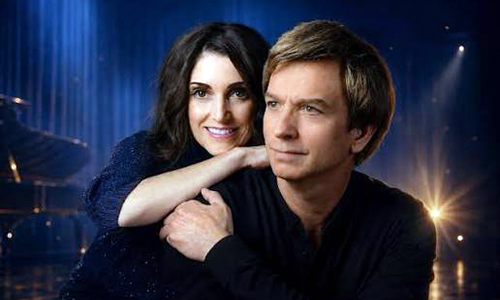
Rediscover the timeless hits of the Carpenters through beautiful vocals, nostalgic arrangements and heartfelt music.
Buy Carpenter's Legacy Tickets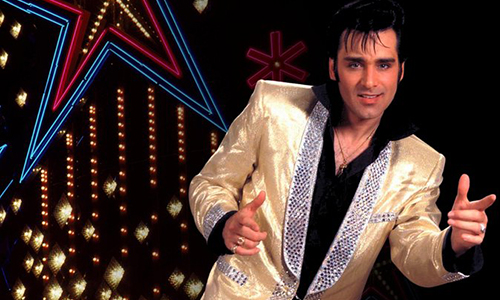
Celebrate Elvis Presley's legendary music, unforgettable stage presence and classic rock-and-roll performances.
Buy Spirit of the King TicketsExplore daring comedy, glamorous cabaret, burlesque and adults-oriented Vegas entertainment.
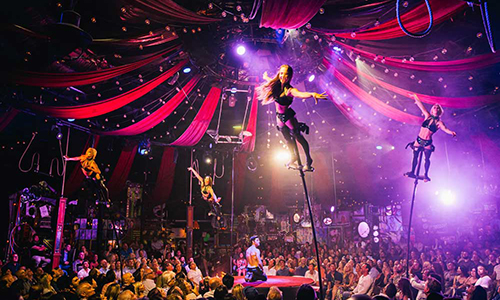
An outrageous adults-oriented spectacle combining incredible acrobatics, provocative humor and intimate circus entertainment.
Buy Absinthe Tickets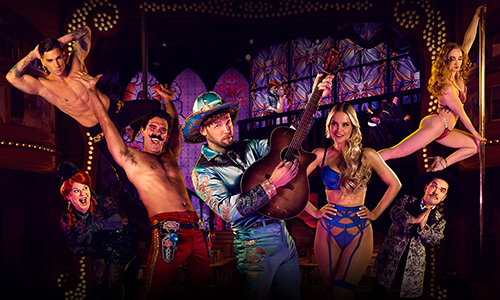
Wild West-inspired comedy, amazing acrobatics and outrageous characters create a spirited adults-only adventure.
Buy Atomic Saloon Tickets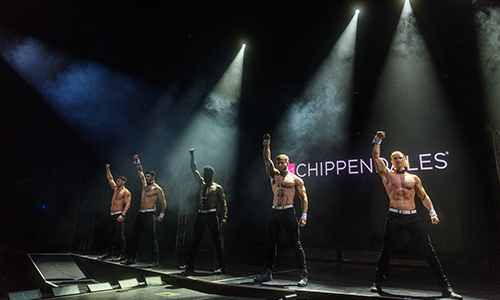
An energetic male revue featuring elaborate dance routines, lively music and interactive adult entertainment.
Buy Chippendales Tickets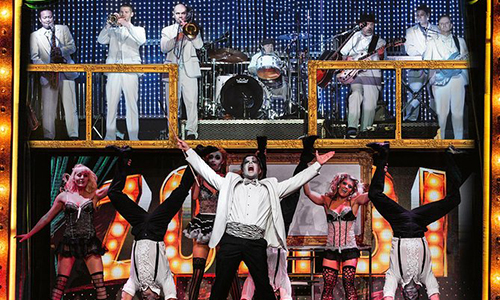
A playful fusion of outrageous comedy, musical performances, vintage burlesque and delightfully spooky theatrical fun.
Buy Zombie Burlesque Tickets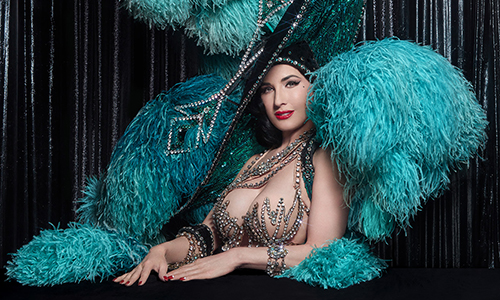
Discover glamorous burlesque artistry, elegant costumes and theatrical performances from an international icon.
Buy Dita Von Teese TicketsDiscover imaginative stage productions, immersive entertainment, comedy and dinner shows.
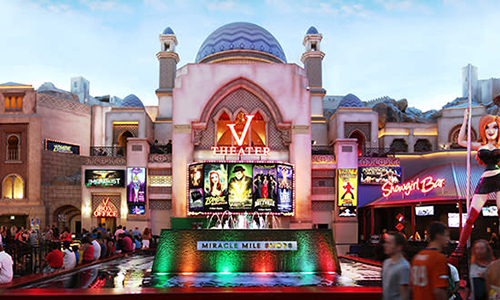
An entertaining showcase of comedy, acrobatics, remarkable specialty acts and impressive variety performances.
Buy V Tickets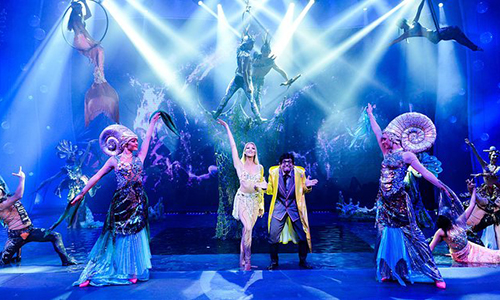
A dazzling production combining aquatic artistry, acrobatics, vibrant choreography and surprising visual effects.
Buy WOW Tickets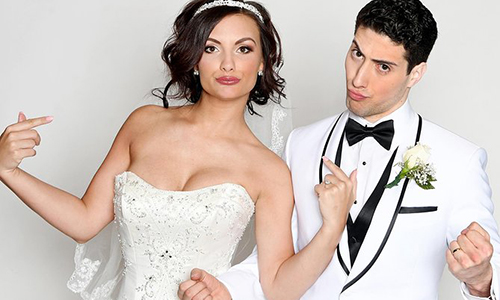
Join an interactive wedding celebration filled with outrageous characters, comedy, dancing and festive dinner theater.
Buy Tony Tina Tickets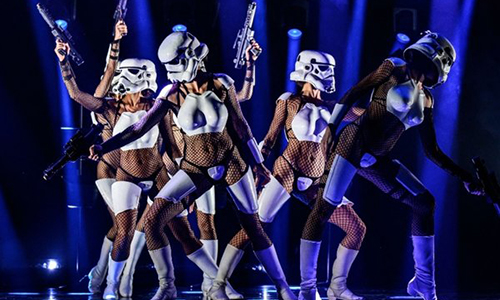
A humorous adults-oriented sci-fi parody featuring creative costumes, theatrical choreography and burlesque.
Buy Empire Strips Tickets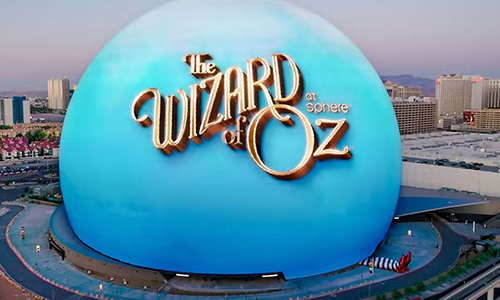
Journey into the magical world of Oz through Sphere's enormous immersive screen, spectacular imagery and sound.
Buy Wizard of Oz TicketsBrooklyn Bowl → The Colosseum at Caesars Palace

Live music venue in Las Vegas with a high-energy crowd and great sightlines.
Buy Tickets
Premium theater built for major residencies and big-name performances.
Buy Tickets
A favorite for rock, blues, and touring acts—intimate feel with big sound.
Buy Tickets
Huge arena setting for headline concerts, major events, and special shows.
Buy Tickets
Modern theater with strong acoustics and great views for concerts and comedy.
Buy Tickets
Elegant performing arts hall for touring Broadway, symphonies, and special events.
Buy Tickets

Stylish venue at The Cosmo for concerts, comedy, and special performances.
Buy Tickets
Iconic Strip theater built for superstar residencies and major concert nights.
Buy TicketsTop picks—book popular experiences in Vegas.

Ride North America’s tallest observation wheel for 360° views above the Strip.
Book Now
Get up close with 100+ wax icons and snap photos with your favorite stars.
Book Now
Step into rotating exhibits of world-class paintings and sculpture at Bellagio.
Book Now
Soar over the Canyon, Lake Mead & Hoover Dam with a scenic landing and toast.
Book Now
Evening tasting tour with VIP seating at popular spots and Strip nightlife vibes.
Book NowLong before Las Vegas became famous for its dazzling casinos, spectacular live shows, concerts and world-class entertainment, the Las Vegas Valley was a desert oasis inhabited by Indigenous peoples, including the Southern Paiute. Natural springs provided water and supported vegetation, making the valley an important stopping point for travelers crossing the Mojave Desert.
In 1829, Rafael Rivera, a scout accompanying the Antonio Armijo trading expedition, became one of the first recorded non-Indigenous visitors to the Las Vegas Valley. The expedition sought to establish a trade route between New Mexico and California. The valley's natural springs and green meadows inspired the Spanish name "Las Vegas," meaning "The Meadows." The area subsequently became an important stop along the historic Old Spanish Trail.
The development of modern Las Vegas accelerated with the arrival of the railroad in 1905. On May 15, 1905, approximately 110 acres of railroad-owned land were auctioned to buyers, establishing the foundation of downtown Las Vegas. Clark County was created in 1909, and the City of Las Vegas was officially incorporated in 1911.
A major turning point came in 1931 when Nevada legalized casino gambling. That same year, construction began on Hoover Dam, attracting thousands of workers and creating new demand for hotels, restaurants, gaming establishments and entertainment. Fremont Street developed into a lively center of downtown Las Vegas, eventually becoming famous for its illuminated casino signs and the nickname "Glitter Gulch."
The Pair-o-Dice Club, established along Highway 91 in the early 1930s, was among the earliest gambling establishments on the road that would later become the world-famous Las Vegas Strip. However, the first major resort on the Strip was the El Rancho Vegas, which opened on April 3, 1941.
Developed by businessman Thomas Hull, the El Rancho Vegas introduced visitors to a new style of resort entertainment. Its Old West atmosphere, casino, restaurants, swimming pool, guest accommodations and live performances helped establish the model for future Las Vegas hotel-casinos. The resort operated for nearly two decades before a devastating fire on June 17, 1960, destroyed its principal buildings.
Another important milestone came on December 26, 1946, when the Flamingo opened under the direction of Benjamin "Bugsy" Siegel, with financing associated with organized crime figures including Meyer Lansky. Unlike earlier Western-themed resorts, the Flamingo introduced an elegant, Hollywood-inspired atmosphere that emphasized luxury, glamorous entertainment and sophisticated nightlife. Although its opening was troubled, the Flamingo helped shape the future of the Las Vegas Strip and remains one of its longest-established resort names.
During the 1950s and 1960s, Las Vegas became a celebrated destination for live entertainment. Legendary performers including Frank Sinatra, Dean Martin, Sammy Davis Jr., Elvis Presley and Liberace helped establish the city's reputation for unforgettable concerts, nightclub acts and elaborate stage productions. The Sands, Sahara, Desert Inn and other famous hotel-casinos attracted visitors seeking both gaming and headline entertainment.
In the decades that followed, Las Vegas continued to reinvent itself with increasingly ambitious resort developments, major concert residencies, theatrical productions and spectacular live performances. The opening of The Mirage in 1989 helped usher in the modern megaresort era, while elaborate productions such as Cirque du Soleil shows introduced new generations of visitors to the city's theatrical creativity and entertainment innovation.
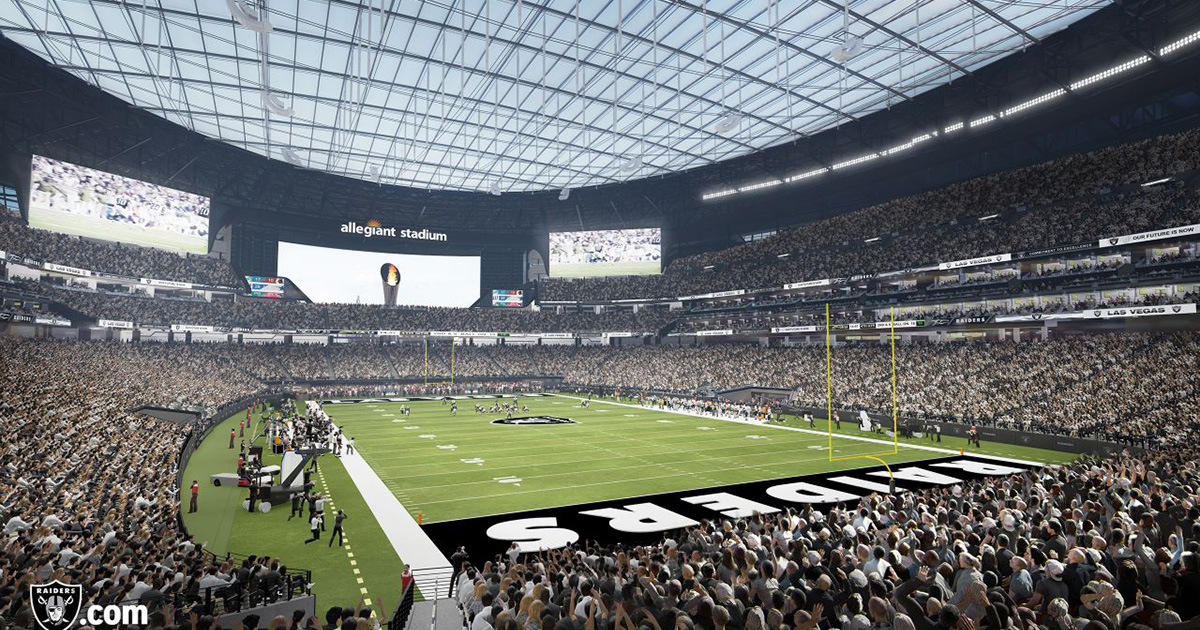
Today, Las Vegas is internationally recognized as one of the world's leading entertainment destinations. Visitors can experience headline concerts, comedy, magic and illusion shows, acrobatic spectaculars, musical tributes, Broadway-style productions, immersive attractions and major sporting events. World-renowned venues such as T-Mobile Arena, Allegiant Stadium and Sphere have further expanded the city's appeal as a destination for live events.
Known by colorful nicknames including "Sin City" and "The Entertainment Capital of the World," Las Vegas continues to attract millions of visitors seeking memorable experiences. From its beginnings as a desert oasis to its modern reputation for spectacular shows and entertainment, the city's remarkable history continues to shape its future.