8Ball & MJG Tickets
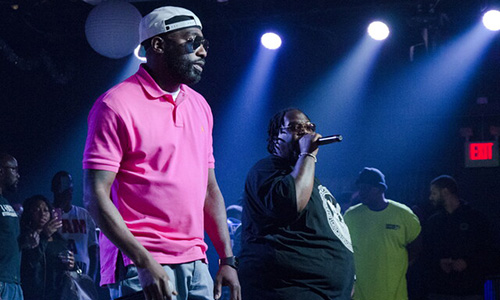
Southern hip-hop pioneers known for smooth Memphis flows, soulful production, and gritty street storytelling.
Buy Tickets
Competitive Pricing – Compare ticket prices from multiple sellers.
Huge Ticket Selection – Explore concerts, sports, Broadway, theater, and more.
Sold-Out Events – Find resale tickets for popular and hard-to-get events.
Last-Minute Tickets – Discover available tickets close to event time.
Convenient Shopping – Compare seating options, prices, and availability.
Disclosures:
• TIXpick.com is an independent TicketNetwork affiliate and may earn commissions on qualifying purchases at no extra cost to you.
• Prices are set by sellers and may be above or below ticket face value.
8Ball & MJG → Skilla Baby
Southern hip-hop pioneers known for smooth Memphis flows, soulful production, and gritty street storytelling.
Buy Tickets
Genre-blending superstar combining inventive rap, infectious pop hooks, bold visuals, and electrifying performances.
Buy Tickets
Melodic rap hitmaker celebrated for his distinctive vocals, infectious hooks, and chart-topping trap anthems.
Buy Tickets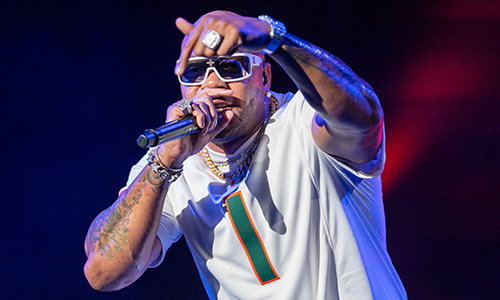
Chart-topping pop-rap entertainer known for high-energy dance anthems, catchy hooks, and crowd-pleasing performances.
Buy Tickets
Influential trap pioneer blending melodic Auto-Tuned vocals, atmospheric production, and hard-hitting Southern beats.
Buy Tickets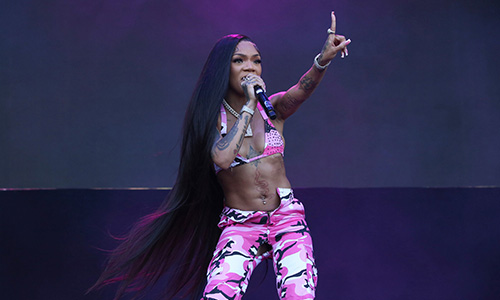
Memphis rap sensation delivering gritty Southern beats, commanding vocals, fearless lyrics, and energetic stage performances.
Buy Tickets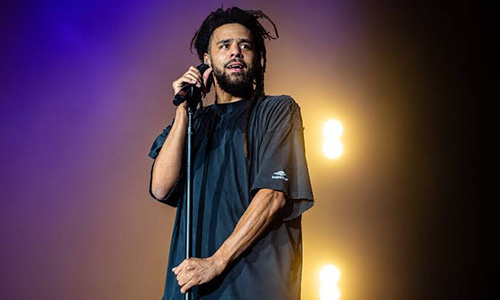
Acclaimed lyricist and producer combining introspective storytelling, soulful beats, and socially conscious hip-hop.
Buy Tickets
Legendary Brooklyn rapper and entrepreneur celebrated for masterful wordplay, influential albums, and enduring hip-hop excellence.
Buy Tickets
Detroit rapper recognized for gritty street narratives, smooth melodic flows, and a distinctive Midwest hip-hop sound.
Buy TicketsKanye West → Tyler, the Creator

Influential rapper and producer known for groundbreaking albums, experimental sounds, and ambitious live productions.
Buy Tickets
Pulitzer Prize-winning rapper celebrated for intricate lyricism, powerful social commentary, and cinematic performances.
Buy Tickets
Boundary-pushing rapper blending melodic trap, punk-rock attitude, futuristic production, and explosive live energy.
Buy Tickets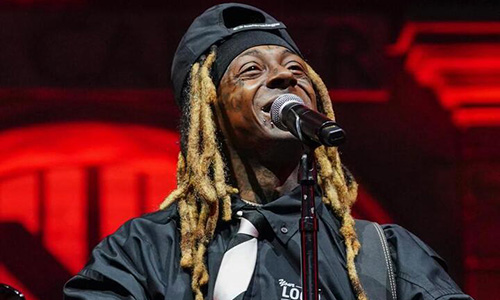
Grammy-winning rap icon renowned for razor-sharp wordplay, inventive metaphors, legendary mixtapes, and unforgettable hits.
Buy Tickets
International party anthem king blending Latin rhythms, hip-hop, and dance-pop into high-energy live celebrations.
Buy Tickets
Genre-crossing hitmaker blending melodic hip-hop, pop, rock, and country with heartfelt lyrics and infectious hooks.
Buy Tickets
West Coast hip-hop legend famous for his laid-back flow, iconic G-funk sound, and decades of classic hits.
Buy Tickets
Psychedelic trap superstar known for immersive production, thunderous beats, and spectacular high-energy performances.
Buy Tickets
Visionary rapper and producer celebrated for experimental sounds, imaginative storytelling, and theatrical stage productions.
Buy TicketsHip-hop is one of America's most influential musical and cultural movements. Emerging in New York City's Bronx during the early 1970s, hip-hop developed from African American, Caribbean, and Latino cultural traditions. Combining rhythmic spoken lyrics, innovative DJ techniques, dance, and visual art, the movement transformed popular music, fashion, language, and entertainment around the world.
Although the terms hip-hop and rap are often used interchangeably, they have different meanings. Hip-hop refers to the broader cultural movement, while rap describes the rhythmic delivery of spoken lyrics over musical beats. Rap became the best-known musical expression of hip-hop culture and continues to evolve through numerous styles and regional influences.
A widely recognized milestone in hip-hop history occurred on August 11, 1973, when DJ Kool Herc, born Clive Campbell, provided music for a back-to-school party organized by his sister, Cindy Campbell, at 1520 Sedgwick Avenue in the Bronx, New York.
Kool Herc helped popularize a DJ technique that emphasized and extended the instrumental breaks of funk, soul, and rhythm and blues recordings. By using two turntables to prolong these rhythmic passages, DJs created extended dance breaks that helped establish the musical foundation of early hip-hop.
Neighborhood parties, community centers, and public parks soon became gathering places for DJs, dancers, graffiti artists, and aspiring MCs. These events encouraged artistic expression and helped establish hip-hop as a distinctive cultural movement.
Hip-hop culture is traditionally associated with four foundational elements: DJing, MCing, breaking, and graffiti art. Each contributed to the movement's identity and creative development.
DJing involves selecting, mixing, and manipulating recorded music to create rhythmic performances. Early innovators such as DJ Kool Herc, Grandmaster Flash, and Afrika Bambaataa helped establish techniques that influenced generations of DJs and music producers.
MCing, which developed into modern rapping, involves rhythmic speech, rhymes, and storytelling over musical beats. Early MCs energized audiences at parties before developing increasingly sophisticated lyrical and performance styles.
Breaking, also known as breakdancing, introduced athletic street-dance movements built around rhythm and improvisation. Graffiti art provided another form of expression through distinctive lettering, colorful imagery, and visual identity.
During the late 1970s, hip-hop expanded from neighborhood performances into recording studios and commercial music markets. In 1979, The Sugarhill Gang released "Rapper's Delight," a groundbreaking single that helped introduce rap music to audiences far beyond New York City.
In 1982, Grandmaster Flash and the Furious Five released "The Message," demonstrating hip-hop's potential for social commentary and storytelling. Its examination of economic hardship and urban life helped expand rap beyond party-oriented music.
Other pioneers, including Kurtis Blow, the Cold Crush Brothers, and the Funky 4 + 1, contributed to the growth of recorded hip-hop and its increasing influence on American popular culture.
The mid-1980s through the early 1990s are frequently described as hip-hop's Golden Age, a period of musical experimentation, innovative sampling, complex lyricism, and influential recording artists.
Run-D.M.C. helped bring rap into mainstream popular culture through hard-hitting beats, rock influences, and groundbreaking collaborations. Other notable performers included LL Cool J, Public Enemy, Eric B. & Rakim, Big Daddy Kane, De La Soul, and A Tribe Called Quest.
Hip-hop became increasingly diverse during this period, incorporating jazz, funk, soul, political commentary, and distinctive regional influences. The genre expanded beyond New York City and developed important scenes throughout the country.
During the late 1980s and 1990s, regional hip-hop styles became increasingly prominent. East Coast hip-hop, particularly in New York, became known for intricate rhymes, storytelling, and sample-driven production. Artists including Nas, Jay-Z, The Notorious B.I.G., and Wu-Tang Clan helped define the era.
On the West Coast, artists introduced distinctive production styles and powerful narratives. N.W.A., Ice Cube, Dr. Dre, Snoop Dogg, and Tupac Shakur became major influences, bringing national attention to West Coast rap and its cultural perspectives.
Despite highly publicized industry rivalries, artists from both regions made lasting contributions to hip-hop's development and helped establish rap as a major commercial music genre.
During the 1990s and 2000s, Southern hip-hop emerged as a major creative force. Artists including Outkast, Goodie Mob, UGK, Scarface, Ludacris, and Lil Wayne helped establish influential regional sounds associated with Atlanta, Houston, Memphis, New Orleans, and other Southern cities.
Atlanta became especially influential in the development of trap music, a hip-hop style recognized for deep bass, rapid hi-hat patterns, electronic drums, and atmospheric production. Artists such as T.I., Gucci Mane, Young Jeezy, and Future helped popularize the sound.
Southern hip-hop and trap eventually influenced mainstream rap, pop, and electronic music, helping shape contemporary popular music around the world.
Hip-hop continues to evolve through digital production, streaming services, independent music distribution, and international collaborations. Modern rap incorporates influences from R&B, pop, jazz, electronic music, and regional traditions.
Influential contemporary performers such as Kendrick Lamar, J. Cole, Drake, Travis Scott, Nicki Minaj, Cardi B, Doja Cat, and Tyler, the Creator have expanded hip-hop's artistic and commercial reach. Their styles range from introspective storytelling and socially conscious lyrics to melodic rap and elaborate stage productions.
Today, hip-hop concerts range from intimate clubs and regional festivals to major arena and stadium performances. The genre remains an important influence on music, fashion, dance, visual media, and popular culture.
Whether you're attending a major rap tour, a club performance, or a multi-artist hip-hop festival, purchasing tickets requires consideration of concert dates, venue layouts, seating options, ticket prices, and delivery requirements. The following guide can help you compare available ticket options and prepare for your event.
Concert tickets may be offered through official primary sellers, venue box offices, artist presales, and secondary ticket marketplaces. TIXpick.com is an independent affiliate of TicketNetwork, connecting visitors with its ticket resale marketplace to browse available hip-hop concerts, rap tours, and music festivals.
For high-demand performers, compare concert dates and nearby cities. Ticket availability and prices may vary depending on the venue, performance date, seating section, and demand.
The best seating location depends on your budget and preferred concert experience. Floor sections and general admission areas may offer close proximity to the stage, while lower-level seating often provides a balance of stage visibility and atmosphere. Upper-level sections may offer more economical options at larger venues.
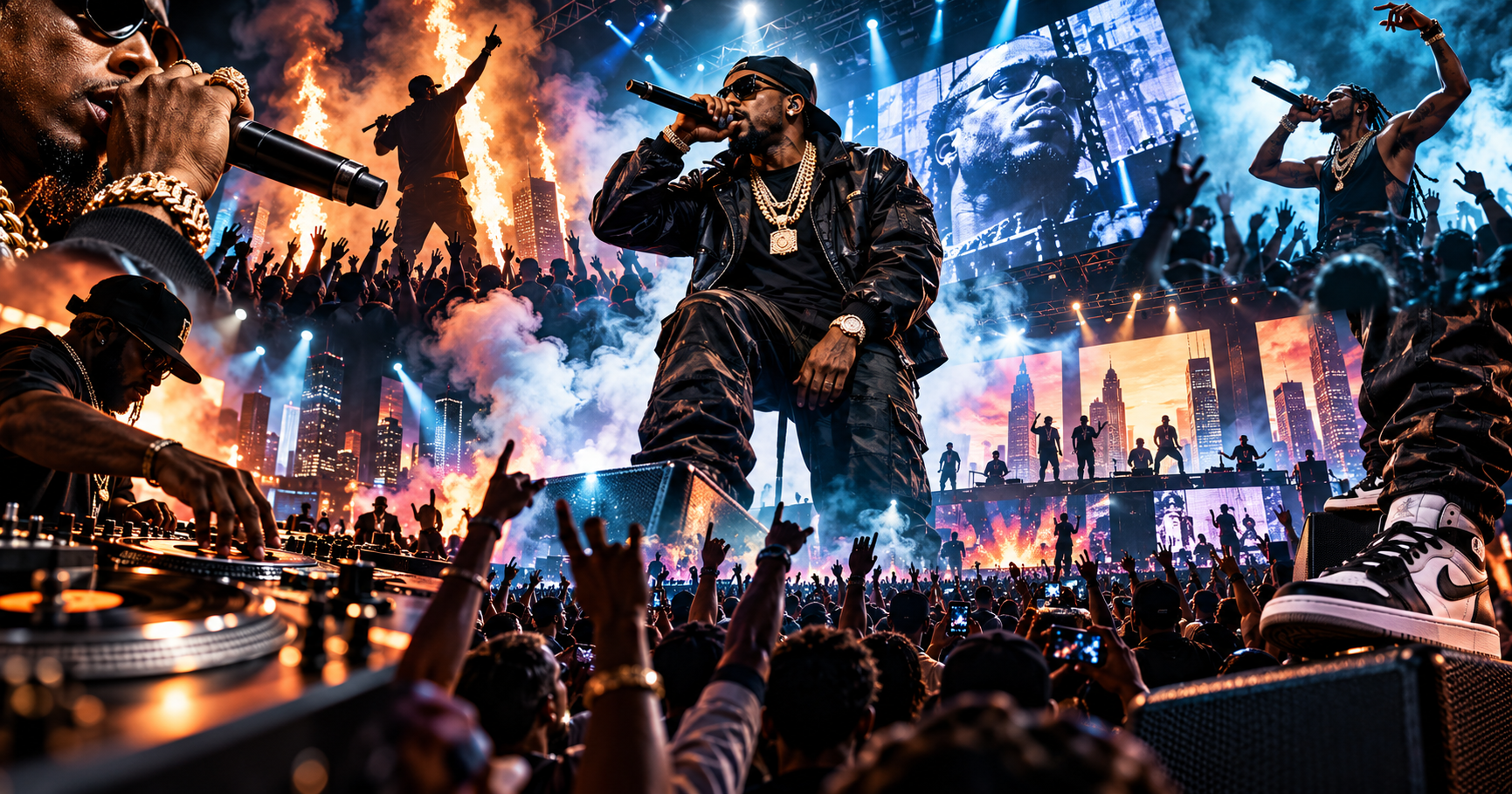
Hip-hop concerts frequently feature extended stages, large video screens, elaborate lighting, and visual effects. Review the venue seating chart, stage configuration, general admission rules, and any obstructed-view warnings before selecting tickets.
Hip-hop festivals may feature numerous artists across multiple stages and performance days. Ticket options can include single-day admission, multi-day passes, general admission, and premium experiences.
Before purchasing, review the announced lineup, admission privileges, scheduled dates, age restrictions, and reentry policies. Festival lineups and performance schedules may change, so consult the organizer's latest information before traveling.
Some hip-hop concerts offer VIP packages, premium seating, early entry, merchandise, exclusive lounges, or other special benefits. Package features vary by artist, venue, and ticket listing.
A ticket labeled VIP does not necessarily include a meet-and-greet, backstage access, or every advertised premium benefit. Review the exact package description and restrictions before purchasing.
Ticket prices depend on performer popularity, venue capacity, concert dates, seating location, and demand. Major arena tours, limited performances, and festival headline appearances can attract particularly strong demand.
Compare the complete purchase price, including applicable fees and delivery charges. Resale ticket prices are set by sellers and may be above or below face value. Review the final checkout total before completing a purchase.
Concerts sold out through their original ticket sellers may still have resale listings available through secondary marketplaces. These listings can provide additional opportunities to attend popular performances, although availability is never guaranteed.
Last-minute ticket prices may increase or decrease as an event approaches. Waiting can sometimes reveal additional listings, but available seats may become limited. Compare ticket options carefully rather than assuming prices will fall.
For additional information, visit our Last-Minute Tickets page.
Many hip-hop concerts use digital tickets or mobile ticket transfers. Before purchasing, confirm the delivery method, expected availability date, and any transfer restrictions. Some tickets may not become transferable until closer to the event.
Follow the marketplace's instructions for accepting transferred tickets. Some venues require entry through a designated mobile application and may not accept screenshots or printed confirmations.
Before attending, review venue policies concerning bags, cameras, prohibited items, accessibility, parking, and age restrictions. Some concerts and festivals may require minimum ages or adult accompaniment.
Outdoor concerts may be affected by weather, while postponed or canceled performances can affect ticket validity and refund eligibility. Review the marketplace's buyer protections, delivery terms, and event-change policies before completing your purchase.
Before buying tickets, compare tour dates, review venue seating charts, understand the total purchase price, and confirm ticket delivery requirements. For festivals, also review the lineup, admission type, and event-specific policies.
Whether you're looking for tickets to Kendrick Lamar, J. Cole, Travis Scott, Lil Wayne, Doja Cat, or other popular performers, TIXpick helps visitors explore available ticket listings through the TicketNetwork resale marketplace.
Explore more performances on our Concert Tickets page.
Yes, some sold-out rap concerts may still have tickets available through secondary resale marketplaces. Availability varies by event, and resale prices are determined by sellers. Compare listings and review marketplace policies before purchasing.
There is no universally best time to buy. Prices and availability depend on demand, venue capacity, tour popularity, and proximity to the performance date. Buying early may offer more seating choices, while waiting carries the risk of higher prices or limited availability.
Last-minute resale listings may be available for some concerts. Check the event start time, delivery method, mobile-entry requirements, and ticket-transfer instructions before placing a last-minute order.
Resale ticket prices may be higher or lower than the original face value. Sellers establish their listing prices, and applicable service fees or other charges may affect the final checkout total.
Standard concert tickets generally do not include VIP experiences unless specifically stated. Premium benefits, early entry, merchandise, meet-and-greet opportunities, and other extras depend on the particular ticket or package purchased.