
Shop Stock Car (NASCAR) Racing Tickets
TIXpick.com - Pick Your TIX!
TIXpick — Your Destination for Stock Car Racing Tickets
Discover tickets for NASCAR Cup Series races, O'Reilly Auto Parts Series events, CRAFTSMAN Truck Series competitions, and exciting stock car racing championships. Explore upcoming races at legendary speedways, including the Daytona 500, compare available ticket listings, and find seating options for popular motorsports events nationwide through our affiliation with the TicketNetwork Marketplace. TIXpick may earn a commission on qualifying purchases.
Find Available Tickets to NASCAR Races & Events
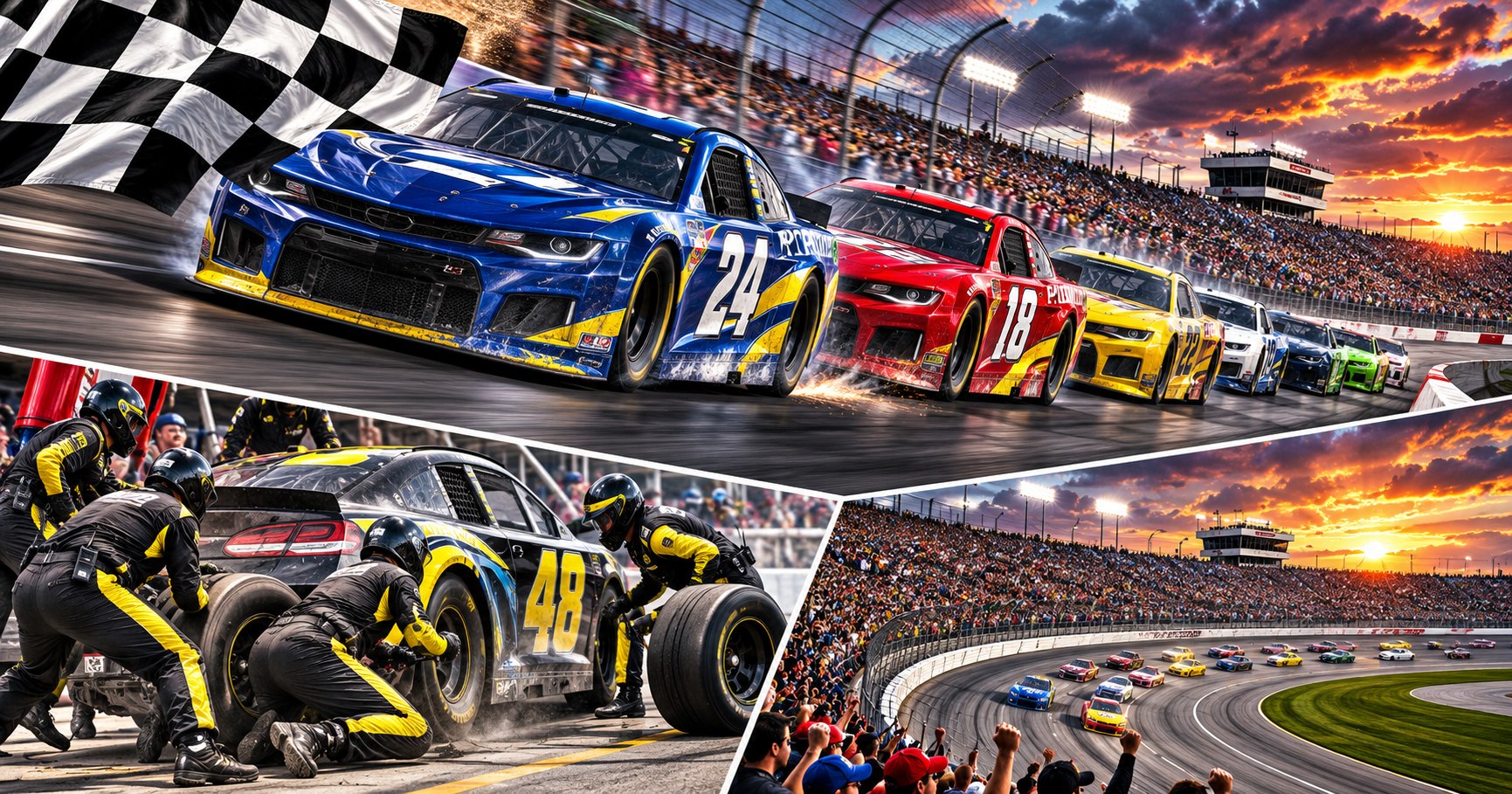
A Brief History of NASCAR
The National Association for Stock Car Auto Racing (NASCAR) was officially founded on February 21, 1948, by Bill France Sr. in Daytona Beach, Florida. Its origins can be traced to the early days of American stock car racing, when drivers competed in modified passenger vehicles on dirt tracks, beaches, and public-road courses. During the Prohibition era, some moonshine runners modified their automobiles for greater speed and handling to evade law enforcement, helping establish a tradition of high-performance driving that influenced the development of stock car racing.
NASCAR held its first sanctioned race on February 15, 1948, at the Daytona Beach-Road Course, where drivers raced along a combination of paved roadway and sandy beach. In 1949, NASCAR introduced its Strictly Stock division, the predecessor of today's NASCAR Cup Series. The first Strictly Stock race took place at Charlotte Speedway in North Carolina. Originally featuring production-based automobiles, the series gradually evolved into a competition using purpose-built racing machines designed for speed, safety, and performance.
The Growth of NASCAR and Stock Car Racing
NASCAR's popularity expanded rapidly throughout the 1950s and 1960s as legendary drivers such as Richard Petty, David Pearson, Junior Johnson, and Lee Petty helped establish the sport's reputation for fierce competition and exciting racing. The opening of Daytona International Speedway in 1959 and Talladega Superspeedway in 1969 introduced massive racing venues capable of hosting some of the fastest and most spectacular events in American motorsports.
During the 1970s, corporate sponsorships and national media attention helped transform NASCAR into a major professional sport. The Winston Cup era began in 1971, and television coverage brought stock car racing to an increasingly broad audience. The nationally televised 1979 Daytona 500 became a landmark moment in NASCAR history, helping introduce the excitement of stock car racing to millions of new fans.
Throughout the 1980s, 1990s, and early 2000s, NASCAR continued its national expansion. Racing legends such as Dale Earnhardt, Jeff Gordon, Darrell Waltrip, and Jimmie Johnson helped attract generations of fans through their championship achievements, memorable rivalries, and remarkable driving abilities.
NASCAR Racing Series and Major Events
Today, NASCAR sanctions several major racing series, each offering a distinctive level of competition and an exciting live spectator experience.
- NASCAR Cup Series: NASCAR's premier national racing division, featuring elite drivers competing at short tracks, intermediate speedways, superspeedways, and road courses throughout the season.
- NASCAR O'Reilly Auto Parts Series: Formerly known as the Xfinity Series, this national championship features rising racing talent and experienced competitors in highly competitive stock car events.
- NASCAR CRAFTSMAN Truck Series: A popular national racing series featuring specially designed pickup-style racing trucks competing on a variety of tracks.
- Daytona 500: Known as "The Great American Race," the Daytona 500 is one of NASCAR's most prestigious events and traditionally opens the Cup Series points season.
- Other Major NASCAR Events: Popular races at Talladega Superspeedway, Bristol Motor Speedway, Martinsville Speedway, and other historic venues offer distinctive racing experiences for motorsports fans.
The Excitement of Live NASCAR Racing
NASCAR racing combines high speeds, close competition, pit stop strategy, and the challenge of navigating different track configurations. From the steep banking of Daytona and Talladega to the tight turns of short-track racing, each venue presents unique challenges for drivers and teams.
Attending a NASCAR race offers an experience that television cannot fully capture. The thunder of powerful engines, dramatic passes, high-speed pit stops, and excitement of thousands of cheering spectators make stock car racing a memorable live sporting event. Whether attending a major Cup Series race or discovering a regional stock car competition, fans can enjoy the tradition and excitement of American motorsports.
NASCAR & Stock Car Racing Ticket Buyer's Guide
Whether you're attending the Daytona 500, a NASCAR Cup Series race, or another stock car racing event, choosing the right tickets can improve your race-day experience. Consider the track layout, seating location, admission options, and event schedule before purchasing.
Choose the Right Race and Ticket Type
NASCAR race weekends often include practice sessions, qualifying, and multiple racing series. Confirm whether your ticket provides admission to a single race, an entire race weekend, or additional activities. Some venues offer separate garage, pit access, hospitality, or camping packages, subject to availability.
Compare Grandstand Seating Options
Grandstand seating varies significantly by speedway. Higher seats often provide broader views of the racing surface, while lower rows place fans closer to the action. At large oval tracks, seats near the start-finish line or pit road can offer excellent views of race starts, finishes, and pit stop activity. Review track seating charts before selecting your tickets.
Compare Ticket Prices and Availability
NASCAR ticket prices depend on the race, track, seating location, and demand. Major events such as the Daytona 500 and championship races may attract higher prices. Compare available resale listings and review all applicable service fees and delivery charges before purchasing.
Plan for Weather and Race-Day Conditions
Many NASCAR races take place outdoors, and schedules may change because of rain or other weather conditions. Review the speedway's postponement policies, parking options, permitted items, and entry requirements. Consider arriving early to allow time for traffic, security, and race-day activities.
Review Mobile Ticket Delivery and Resale Terms
Many motorsports venues accept mobile tickets and electronic transfers. Confirm the ticket delivery method, admission details, and any restrictions associated with resale tickets. Review the applicable refund, cancellation, and postponement policies before completing your purchase.
Find NASCAR and Stock Car Racing Tickets Through TIXpick
TIXpick helps racing fans explore available NASCAR and stock car racing ticket listings through its affiliated ticket marketplace. Compare race dates, track locations, seating options, and ticket prices for popular motorsports events nationwide. Last-minute and resale tickets may also be available for high-demand races.
Important: TIXpick is an independent ticket discovery and affiliate website. Ticket purchases are completed through affiliated providers. Prices are set by sellers and may be above or below face value. Review the final checkout total and applicable ticket terms before purchasing.