

Shop Tennis Match & Tournament Tickets
TIXpick.com - Pick Your TIX!
100% Moneyback Guarantee
Secure Checkout
100% Authentic Tickets
View Your Seats
TIXpick.com — Harnessing the power of

Find Available Tickets to Featured Tennis Tournaments
Australian Open to Wimbledon
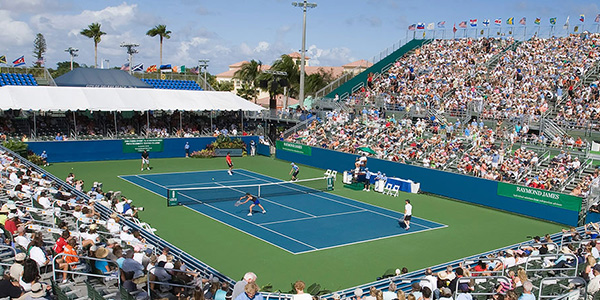
Chris Evert Pro/Celeb Tickets
Buy Tickets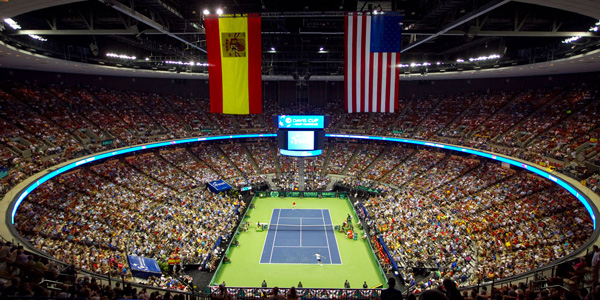
Davis Cup Tickets
Buy Tickets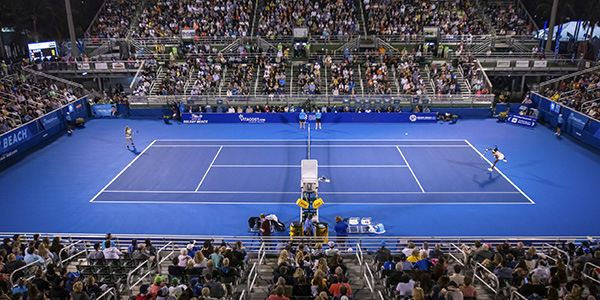
Delray Beach Tickets
Buy Tickets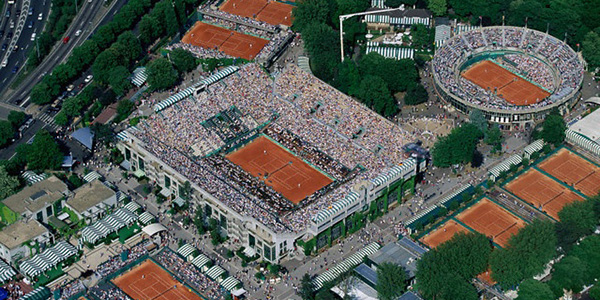
French Open Tickets
Buy Tickets
Miami Open Tickets
Buy Tickets
U.S. Open Tickets
Buy Tickets
Wimbledon Tickets
Buy TicketsBuy Available Tickets to Tennis Matches & Events

The History of Tennis
Tennis is one of the world’s most popular sports today, but its history goes back hundreds of years. The earliest form began in 12th-century France, where people played a game called jeu de paume (“game of the palm”). Players originally hit the ball with their hands, but gloves and later rackets were introduced. The game became popular with European royalty, and King Henry VIII of England was one of its most famous enthusiasts, even building an indoor court at Hampton Court Palace in the 1500s.
The modern version of tennis took shape in the 19th century. In 1873, Major Walter Clopton Wingfield of Britain introduced a new version of the game, which he called Sphairistikè. His rules included a net, rackets, and a rectangular court, creating a sport very close to the one we know today. Because it was often played on grass, it soon became known as “lawn tennis.” Just a few years later, in 1877, the first official tennis tournament—the Wimbledon Championships—was held in London. Wimbledon remains the oldest and most prestigious tournament in the sport, and tennis quickly spread across Europe, the United States, and beyond.
By the 20th century, tennis had become a major international sport. The four biggest tournaments—Wimbledon, the US Open, the French Open, and the Australian Open—emerged as the Grand Slams, the ultimate stage for competition. A turning point came in 1968 with the start of the Open Era, which allowed professionals and amateurs to compete together in the same events. This shift elevated tennis to a global sport with widespread audiences, sponsorships, and growing prestige.
In the modern era, legendary players such as Björn Borg, Martina Navratilova, Pete Sampras, Serena Williams, Roger Federer, Rafael Nadal, and Novak Djokovic have defined generations of tennis, each pushing the game to new levels of skill and popularity. From its beginnings in medieval France to the bright lights of today’s international stadiums, tennis has grown into a sport loved by millions, blending tradition, athleticism, and star power in a way that continues to inspire fans worldwide.